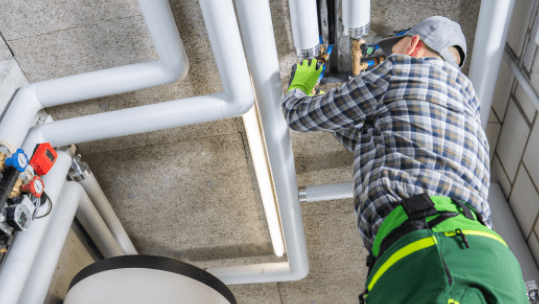
Maintaining pipe systems requires a structured approach. Start with regular inspections for leaks and corrosion, using noninvasive methods and calibrated tools to document findings. Ensure joints are tight through torque checks and lubrication, and keep passages unobstructed. Regulate pressure and verify relief devices, while guarding against freezing. Establish a maintenance schedule with clear roles and records, supplemented by periodic expert assessments to guide timely actions. The next step involves translating these principles into practice and confronting unforeseen issues.
Inspect for Leaks and Corrosion: Find Problems Early
Inspect for leaks and corrosion by establishing a systematic inspection routine that targets vulnerable joints, valves, and sections of aging piping. The approach emphasizes objective data collection, repeatable procedures, and traceable records. Leak detection and corrosion monitoring are applied through calibrated methods, visual assessment, and noninvasive sensing. Findings guide maintenance prioritization, ensuring early intervention and minimized disruption to essential water and fluid networks.
Keep Joints Tight and Passages Clear
Effective maintenance of pipe systems requires keeping joints secure and passages unobstructed to prevent leaks and flow restrictions. The discussion centers on ensuring joint integrity through regular torque checks, seal inspection, and appropriate lubrication.
Pathways stay clear via routine debris removal and systematic clog prevention measures.
Documentation and standardized procedures support consistent performance, enabling safe, freedom-focused operations without unnecessary intervention.
Manage Pressure and Protect Against Freezing
Managing pressure and preventing freezing are essential for sustained pipe integrity. This section outlines systematic approaches to pressure regulation and freeze prevention, emphasizing controlled operations, monitoring, and timely adjustments. It describes maintaining safe pressure ranges, using relief devices, and validating valve responsiveness. Practical steps reduce stress on materials, mitigate expansion risks, and preserve flow continuity, supporting freedom through reliable, long-term system performance.
See also: The Rise of E-Learning Platforms
Plan Routine Maintenance and Professional Inspections
Routine maintenance requires a structured schedule that aligns with system risk, usage patterns, and environmental conditions.
Planning routines entails documenting intervals, checklists, and responsible roles to ensure consistency.
Professional inspections complement routine tasks by validating integrity, detecting subtle faults, and guiding timely interventions.
This disciplined approach supports reliability, safety, and efficiency, while preserving flexibility for evolving conditions and user autonomy in maintenance decision-making.
Conclusion
In summary, a disciplined, methodical approach to pipe upkeep minimizes risk and extends system life. Regular inspections detect leaks, corrosion, and blockages early, while tight joints and clear passages maintain flow efficiency. Careful pressure management and freeze protection guard against catastrophic failures, with relief devices validated and calibrated. A structured maintenance plan, executed with defined roles and timely professional inspections, ensures traceable records and continuous reliability. When executed consistently, the system behaves as a well-oiled machine—robust, predictable, and near faultless. (Hyperbolic visual: like a fortress pipe)